
Guides & Advice
Everything we've written, grouped into series so you can start at the beginning or jump straight to the bit you need. All of it comes from 20+ years of actually hatching, not from a product page.
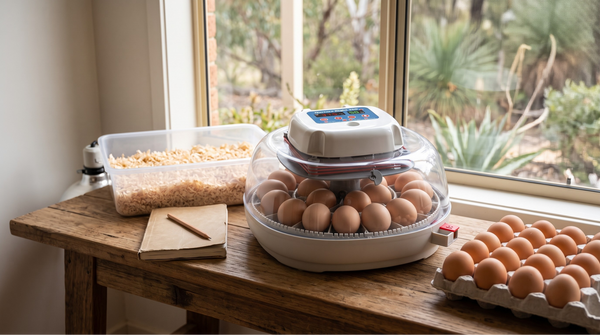
Winter to Spring
Eight parts on getting your breeders through winter so you walk into spring with healthy hens, strong fertile eggs, and gear that's already been tested. Start here if you're planning next season.
- 1 Setting Up Your Incubation Room for Spring — Putting It All Together
- 2 Brinsea and Grumbach Spotlight — When Premium European Engineering Is Worth It
- 3 Temperature and Humidity Control in Cold Rooms — Why Where You Put the Incubator Matters as Much as Which One You Buy
- 4 Choosing the Right Incubator — A Winter Buyer's Guide
- 5 Winter Parasites and Disease — The Silent Fertility Killers
- 6 Coop Conditions Through Winter — Ventilation, Lighting, and the Difference Between Cold and Damp
- 7 Winter Nutrition for Breeders — Feeding for Fertility, Not Just Laying
- 8 Why Your Spring Hatch Starts in June — The Winter Prep Manifesto
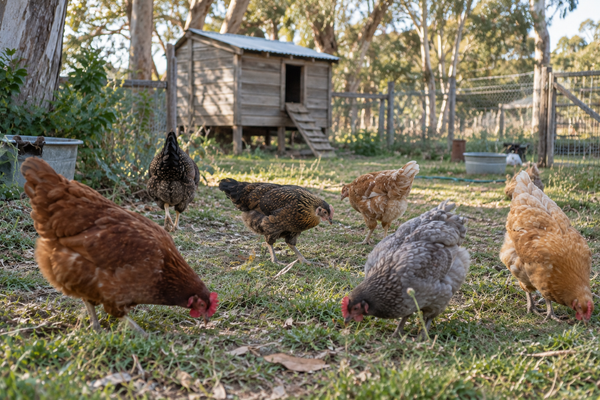
From Hatch to Coop
What happens after hatch day — the first 48 hours, setting up the brooder, feed and water, spotting trouble early, and raising strong chicks out to the coop and into the flock. New parts published weekly.
- 1 Integrating Young Birds into an Existing Flock
- 2 Feathering Up and the Move from Brooder to Coop
- 3 Health and Biosecurity in the Brooder — Preventing Trouble Before It Starts
- 4 Spotting Trouble Early — Pasty Butt, Splayed Leg, Chilling and More
- 5 Feed and Water in the Brooder — Starter Crumble, Grit and Clean Water
- 6 Getting the Temperature Right as They Grow — The Weekly Step-Down
- 7 Setting Up the Brooder — Heat, Space, and the Heat Plate vs Lamp Debate
- 8 The First 48 Hours

The Science of Incubation
What is actually going on inside the egg, and why the numbers on your incubator matter. Oxygen, weight loss, turning, candling and lockdown — the reasoning behind the rules everyone repeats.
- 1 When Things Go Wrong — How to Read the Signs After a Failed Hatch
- 2 Lockdown and Hatching — What Happens in the Final Three Days
- 3 Candling — What You're Actually Looking At and What It Tells You
- 4 What's Happening Inside the Egg — A Day-by-Day Look at Embryo Development
- 5 Why We Turn Eggs — And What Happens If We Don't
- 6 Temperature and Incubation — Why Stability Matters More Than Hitting an Exact Number
- 7 Why Eggs Lose Weight During Incubation — And Why It Matters
- 8 How Chickens Get Oxygen Inside the Egg
Incubation Troubleshooting
When a hatch doesn't go to plan. Clear eggs, temperature swings, humidity you can't hold, chicks that struggle out of the shell — what each one usually means and what to change next time.
- 1 Common Chick Health Issues & How to Prevent Them
- 2 Brooding & Caring for Newly Hatched Chicks
- 3 Common Hatching Problems & What They Mean
- 4 Week 5 - Getting Humidity Right for Better Hatch Rates
- 5 Incubation Tips and Tricks Week 4 - Turning and Positioning of Eggs
- 6 Temperature Troubles: Keeping Conditions Just Right
- 7 Egg Quality Matters: Choosing and Handling Fertile Eggs
- 8 Why Didn’t My Eggs Hatch? Top Causes and How to Fix Them
Product Help & Helpful Articles
Standalone how-tos, setup walkthroughs and answers to the questions we get asked most on the phone. Not a series — dip in wherever you need.
- 1 Spring Chicken Prep!
- 2 Can You Change the Sex of a Chick by Changing the Incubator Temperature?
- 3 The Science Behind Egg Fluorescence
- 4 Why You Need a UPS for Your Incubator
- 5 Why Humidity Matters More in Cold Weather
- 6 The Truth About Dry Hatching
- 7 How to Stop Chickens from Wasting Feed: The Ultimate Guide
- 8 Chickens Feeding Habits
- 9 How Chickens get Oxygen Inside the Egg
- 10 RED MITES !!!